
1 min read
Property Management in Frisco, Texas | Navigate Property Management-NTX
North Texas Rental Market: Strategic Insights for Landlords and Real Estate Investors The North Texas Real Estate Market is currently experiencing a...
6 min read

Property management in Collin County helps rental owners protect their investment, reduce day-to-day workload, and improve the resident experience. Whether you own single-family homes in Collin County, a small multifamily property, or multiple apartments in Collin County, the right management approach connects leasing, maintenance, rent collection, compliance, and long-term planning. This guide explains what Collin County property management includes, how it supports owners and tenants, and what to look for when comparing service providers.
Collin County property management includes the systems and services used to operate a rental property professionally. For a deeper breakdown, see our guide on property management meaning. At a practical level, that means marketing vacancies, screening applicants, preparing lease documents, coordinating maintenance, collecting rent, communicating with residents, handling renewals, and helping owners understand performance. Good property management services in Collin County are not just administrative; they are designed to preserve property value while keeping rental operations consistent.
For owners, the biggest benefit is structure. Instead of reacting to every repair request, late payment, or leasing question alone, you have a defined process. That process matters in a competitive rental market where residents expect responsive service and owners need reliable information.
A typical Collin County rental property management plan may include:

Collin County real estate is not one single market. Rental demand, property types, tenant expectations, and pricing can vary by city, neighborhood, school zone, commute pattern, and property condition. A rental home in Plano, Frisco, McKinney, Allen, Prosper, Wylie, or Celina may attract different applicants and require different leasing strategies.
That is why local knowledge matters. Property management in Collin County, TX, is most effective when the manager understands how residents search, what amenities influence interest, and how to position a property without overpromising. Owners should avoid assuming that every rental can be priced, marketed, or maintained the same way.
For example, single-family Collin County homes often appeal to residents looking for more space, yards, garages, and neighborhood stability. Collin County apartments or small multifamily communities may require a stronger focus on occupancy, turnover speed, shared maintenance, and consistent resident communication. Both can be valuable investments, but they need different operational rhythms.
A strong Collin property management process connects several moving parts to maximize your ROI. When one part is weak, the owner often feels it elsewhere. Poor marketing can lead to longer vacancy. Weak screening can increase payment or maintenance problems. Slow maintenance can affect renewals. Incomplete documentation can create confusion later.
Leasing is more than placing a sign online. The property should be presented with clear photos, accurate descriptions, and expectations that match the home. Good managers also respond quickly to inquiries because delays can cause qualified renters to move on.
Screening is where consistency becomes especially important. A property manager should apply clear standards, document the process, and avoid emotional decision-making. The goal is not simply to fill the vacancy fast; it is to place a resident who is likely to pay reliably, care for the property, and follow lease terms.
Maintenance is one of the most visible parts of Collin County rental property management. Residents judge management by how repair requests are handled, while owners judge management by cost control, communication, and quality of work. A balanced approach keeps repairs moving without approving unnecessary expenses.
Preventive attention can also help protect the investment. Seasonal HVAC servicing, plumbing checks, exterior upkeep, appliance repairs, and safety-related items all affect long-term property condition. Even when a repair seems small, documenting it properly helps owners understand patterns and plan for future expenses.
Owners need timely rent collection and clear financial reporting. A professional system makes it easier to track income, expenses, management fees, maintenance invoices, deposits, and owner distributions. It also creates accountability when a tenant pays late or a charge needs explanation.
Financial visibility is especially important for investors with more than one property. If you are scaling from one rental to several Collin County rentals, organized reporting helps you see which properties are performing well and which need attention.
Property managers support scaling investors by turning rental ownership into a repeatable operating model, focusing on the Long Game strategy. Instead of rebuilding your leasing, maintenance, and rent collection process every time you buy another property, a manager helps standardize the work. That gives owners more time to evaluate deals, review performance, and make decisions about future acquisitions.
Scaling does not mean buying blindly. It means understanding the condition, rent potential, maintenance profile, and tenant demand of each property before and after purchase. The best property management companies Collin County investors consider should be able to discuss how a property may operate as a rental, not just how it looks as a listing.
A scalable rental strategy often includes:
For video guides designed to help owners and investors think through growth, visit https://www.youtube.com/@NorthTexasPropertyManagement and start scaling your investments today.
Collin County apartment property management often involves more moving parts than managing a single rental home. Even a small apartment building can require coordinated leasing, common-area care, parking communication, trash service, landscaping, recurring maintenance, and resident issue resolution. The manager must think about the property as a community, not only as separate units.
Turnover planning becomes especially important. When one unit becomes vacant, the manager needs to inspect it, schedule cleaning or repairs, update listings, show the unit, screen applicants, and prepare move-in documents. If several units turn at once, delays can affect cash flow quickly.
Apartment owners should look for management processes that address:
For owners of Collin County apartments, the right management partner can help reduce avoidable confusion and keep operations more predictable.
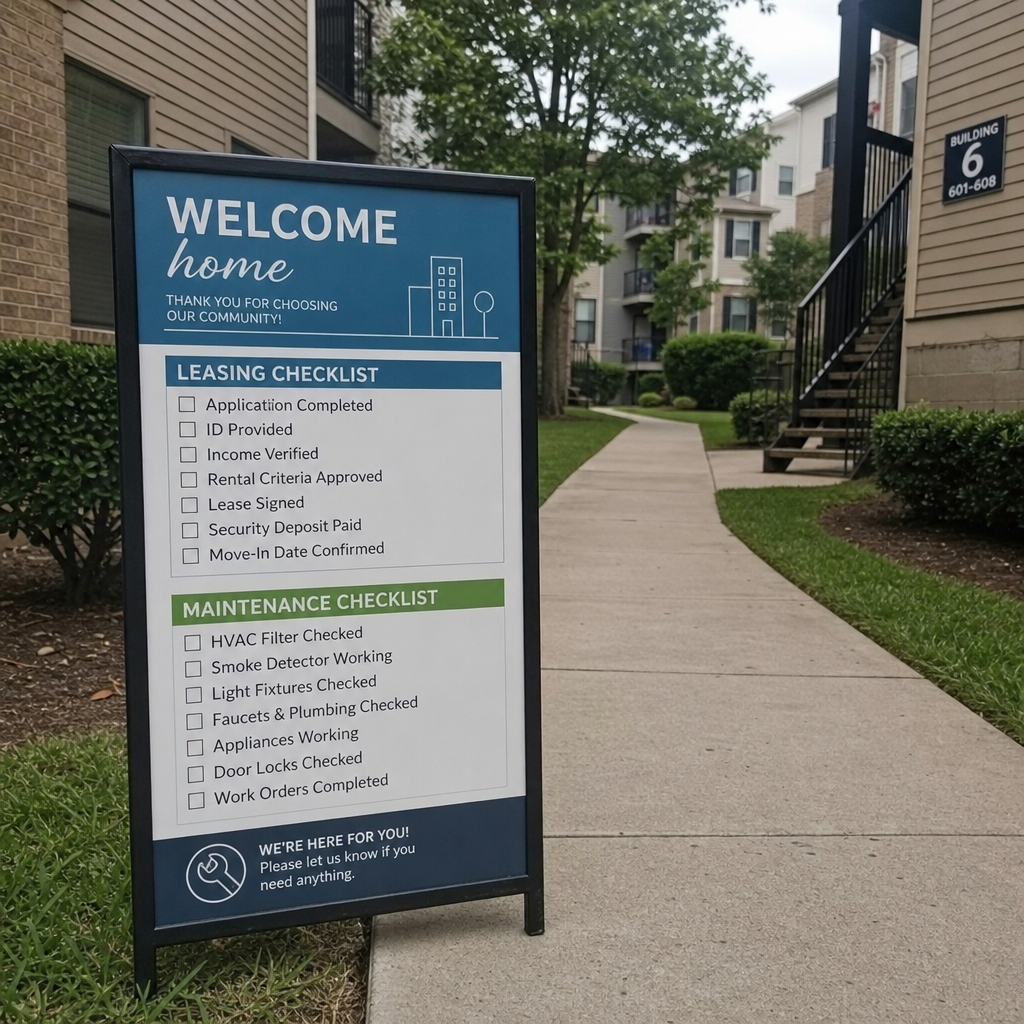
Comparing Collin County property management companies should involve more than asking for a fee percentage. Cost matters, but the lowest fee is not always the best value if communication is slow, screening is weak, or maintenance decisions are unclear. Understanding 4 keys to finding the right property manager helps owners evaluate the full operating approach.
When speaking with a potential manager, ask how they handle vacancies, late rent, maintenance approvals, renewals, inspections, and owner updates. Listen for specific processes rather than vague promises. A company that can explain its workflow clearly is more likely to manage expectations clearly once the property is active.
Helpful questions include:
You should also consider whether the company’s communication style fits your expectations. Some owners want frequent detail. Others prefer concise updates unless a decision is needed. Either can work, but the expectations should be clear from the start.
Owners should expect to share property details, discuss goals, review management terms, and clarify responsibilities before hiring a manager. A professional manager will need to understand the property’s condition, current tenancy, lease status, maintenance history, appliances, HOA considerations if applicable, and any owner preferences. This early information helps prevent surprises after management begins.
If the property is vacant, the conversation may focus on rent readiness, marketing, showing access, and applicant criteria. If the property is occupied, the transition may involve collecting lease documents, deposits, resident contact information, keys, payment records, and maintenance notes. In either case, organization at the beginning makes the transition smoother.
Owners should prepare:
This preparation helps the manager understand both the property and the owner’s priorities.
Many rental problems begin before the tenant moves in. Overpricing the home can extend vacancy. Underestimating maintenance can create cash flow stress. Accepting an applicant without a consistent screening process can increase risk. Failing to document property condition can make move-out conversations harder.
Another common mistake is treating management as a series of isolated tasks rather than a complete system. Leasing affects maintenance. Maintenance affects renewals. Renewals affect vacancy. Vacancy affects cash flow. Professional Collin County property management connects these decisions so owners are not constantly starting over.
Owners can reduce avoidable issues by:
The goal is not to eliminate every challenge. Rentals will always involve repairs, resident questions, and market changes. The goal is to manage those realities with a process that protects the property and supports long-term ownership.
If you own or plan to buy rental property in Collin County, a management conversation can help you understand what your property needs and whether professional support makes sense.
For information about Collin County property management services,
Visit http://nmcpropertymanagement.com/
Call (214) 305-9166 for a free consultation to discuss your rental goals, management questions, and next steps.
Whether you are focused on one home, several Collin County homes, apartments, or a growing portfolio, the right management process can help you operate with more confidence and less guesswork.

1 min read
North Texas Rental Market: Strategic Insights for Landlords and Real Estate Investors The North Texas Real Estate Market is currently experiencing a...

1 min read
Maximize Rental Income DFW To maximize rental income in DFW, treat the home like a business asset, not a passive listing. Pricing, presentation,...

1 min read
Texas Real Estate Laws 2026: Practical Guide for Property Owners Navigating new real estate legislation is essential not only for maintaining...