

1 min read
Maximize Rental Income DFW: Strategies & Insights
Maximize Rental Income DFW To maximize rental income in DFW, treat the home like a business asset, not a passive listing. Pricing, presentation,...
9 min read
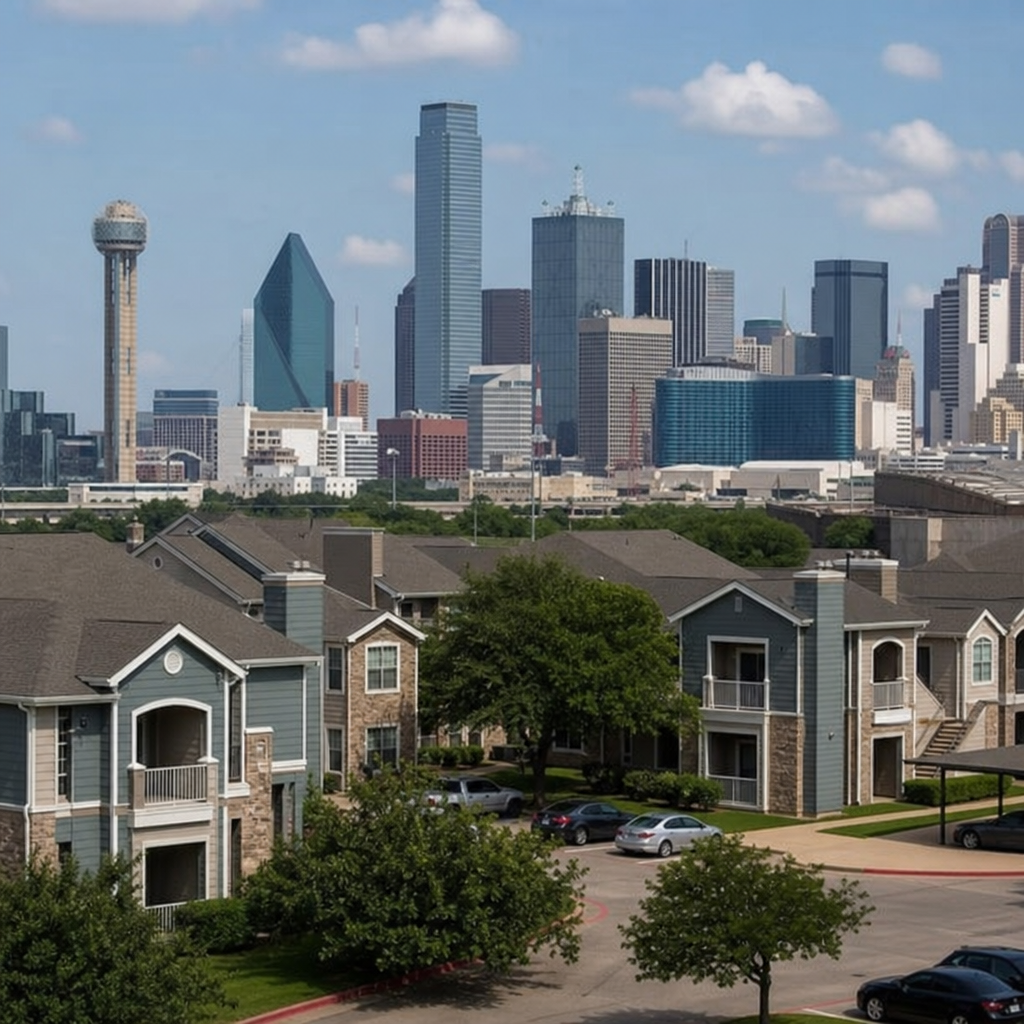
Starting in Dallas real estate takes disciplined underwriting, local market knowledge, and a management plan before you make an offer. The goal is not just to buy a property. It is to buy a durable income asset that can handle vacancy, repairs, insurance changes, taxes, financing costs, and tenant turnover.
From a property management view with more than a decade of field experience, the best first step is to treat Dallas property investment as a business. The Dallas rental market has opportunity, but it rewards investors who check numbers, follow the law, and build repeatable systems.
Starting in Dallas real estate is best handled as a careful business built on conservative underwriting, neighborhood research, and strong management systems. Investors should compare traditional and short-term rental plans, verify rent assumptions, plan for taxes, insurance, repairs, vacancy, and financing costs, and follow tenant-screening and rental rules. A successful first purchase should favor simple operations, realistic cash flow, adequate reserves, and help when needed.
Dallas can be a strong entry point for real estate investing in Dallas because it has many renters, many property types, and several submarkets at different price points. It is not, however, a place where broad optimism should replace property-level analysis; the Dallas housing market is active, competitive in good areas, and sensitive to financing costs.
Recent market references show why careful interpretation matters. Zillow reported an average Dallas home value of $309,590 as of July 31, 2026, with for-sale inventory of 5,157 and a median list price of $428,333. It also reported an average Dallas rent of $1,605 in its broader market overview. Zillow's apartment and condo rental data showed an average rent of $1,558 as of September 5, 2026.
These figures are useful guideposts, but they are not a substitute for rent comparables by bedroom count, school zone, property condition, and street-level demand. (zillow.com)
For the broader Dallas-Fort Worth-Arlington MSA, Texas REALTORS® reported a Q1 2026 median price of $380,000, down 2.8% year over year, with 4.0 months of inventory and 75 days on market. That profile suggests neither a deep buyer's market nor an easy seller's market. It suggests a market where disciplined buyers may find room to negotiate, but only if they understand neighborhood-level fundamentals. (texasrealestate.com)
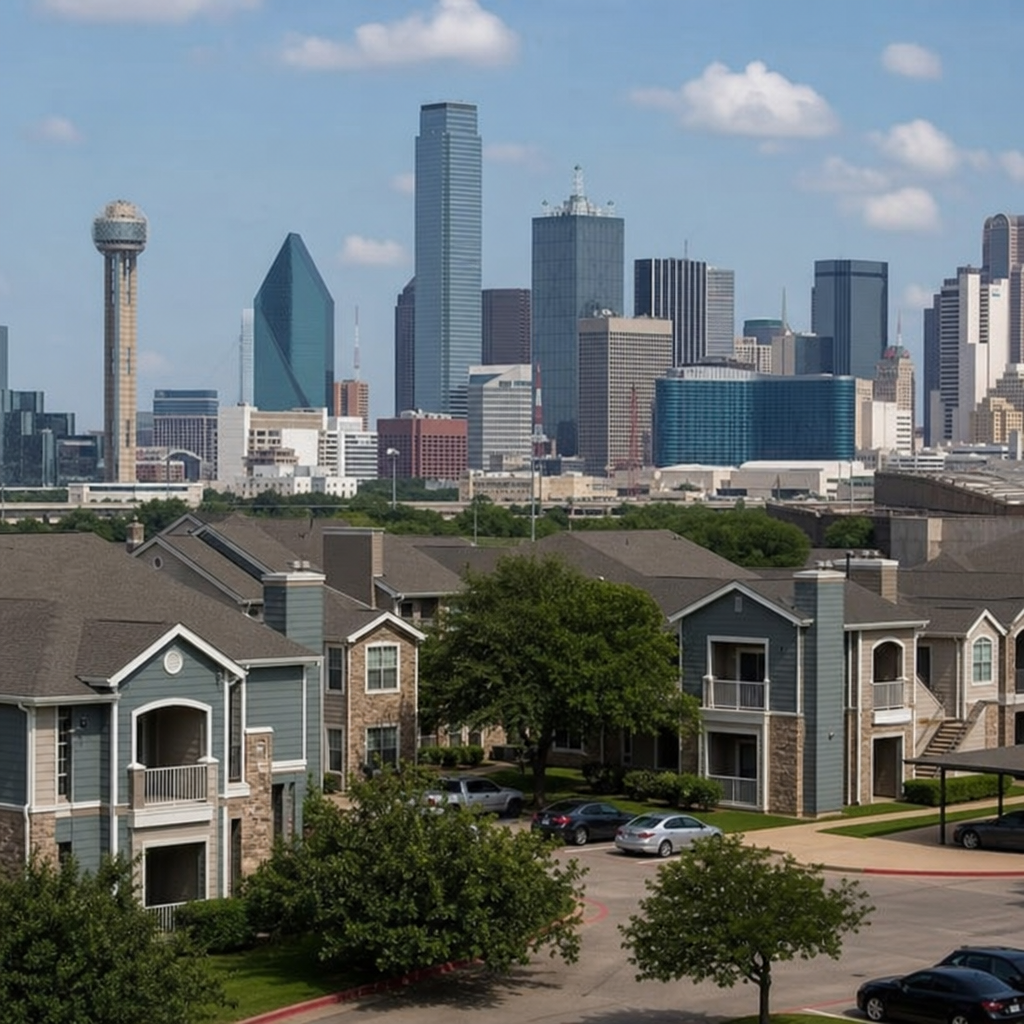
When evaluating Texas real estate, avoid relying on one headline number. Median price, list price, rent, concessions, days on market, and supply each tell only part of the story. A property that looks cheap can still be a poor buy if the rent ceiling is low, upkeep is high, or tenant demand is unstable.
As of mid-2026, Realtor.com described the market as one where buyers had more breathing room than a year earlier, while sellers remained firm on price. It reported a median list price of $439,990 in June 2026 and fewer new listings year over year. For investors, that means the offer strategy should be deliberate. Do not assume every listing is overpriced, but do not accept seller expectations without checking income performance. (realtor.com)
A practical investor should examine these signals before touring properties:
The first strategic decision in investing in Dallas real estate is whether you want a traditional long-term rental, a short-term rental, or a hybrid plan. Each model can work, but they do not carry the same risk, management load, or rule burden.
A traditional rental usually brings steadier occupancy, lower operating complexity, and more predictable maintenance scheduling. It is often the better first investment for a new landlord because underwriting can be based on annual leases, tenant income checks, security deposits, and standard property management practices. Single-family homes in stable school zones or near job corridors can be attractive when the numbers support the deal.
Short-term rentals can produce higher gross revenue, but gross revenue is not net income. You must account for furnishing, utilities, platform fees, cleaning, guest communication, seasonal occupancy, guest damage, local rules, and more frequent wear. Chalet's Dallas short-term rental analytics described the 2026 market as viable for active operators and cited a whole-market median annual revenue of $39,174 at 50% occupancy and a $173 average daily rate. Those numbers should be read as market signals, not promises for any one address. (getchalet.com)
Dallas also has formal short-term rental rules. The city's Chapter 42B covers registration, fees, renewal, applications, review, and property inspections. City materials also say that Dallas rules address short-term rentals as a use and identify allowed zones. Before buying for Airbnb or similar use, verify zoning, registration steps, taxes, insurance coverage, HOA limits, and neighborhood enforcement history. (codelibrary.amlegal.com)
A first-time investor should usually start with the property type that is easiest to understand, finance, lease, maintain, and exit. In Dallas investment properties, that often means a modest single-family home, a duplex, or a townhome with clear rent comparables and no unusual ownership rules.
Single-family homes can be appealing because families often value yards, parking, school access, and neighborhood stability. They may also carry higher repair exposure because the owner is responsible for the entire structure, exterior, systems, and landscaping unless the lease assigns limited duties to the resident.
Condos can look simple because some exterior upkeep may be handled by an association, but the investor must review dues, special assessments, leasing rules, insurance allocation, reserves, and rental caps. A condo with weak cash flow can worsen quickly as dues rise.
Duplexes and small multiunit properties can improve income diversity because one vacancy may not wipe out all revenue. However, they need tighter management, better maintenance coordination, and careful utility review. If you are new to investing in Texas, simplicity has value; a clear property with moderate returns may be better than a complex property with better projections.
Successful Dallas real estate investing begins before the offer. The best investors set acquisition standards first, then reject properties that fail the model, even when a listing feels appealing.
Use the following acquisition checklist:
This is where many novice investors make mistakes. They study appreciation first and operations second. In my view, the reverse order is safer: if the property cannot run well as a rental, projected appreciation becomes speculation.
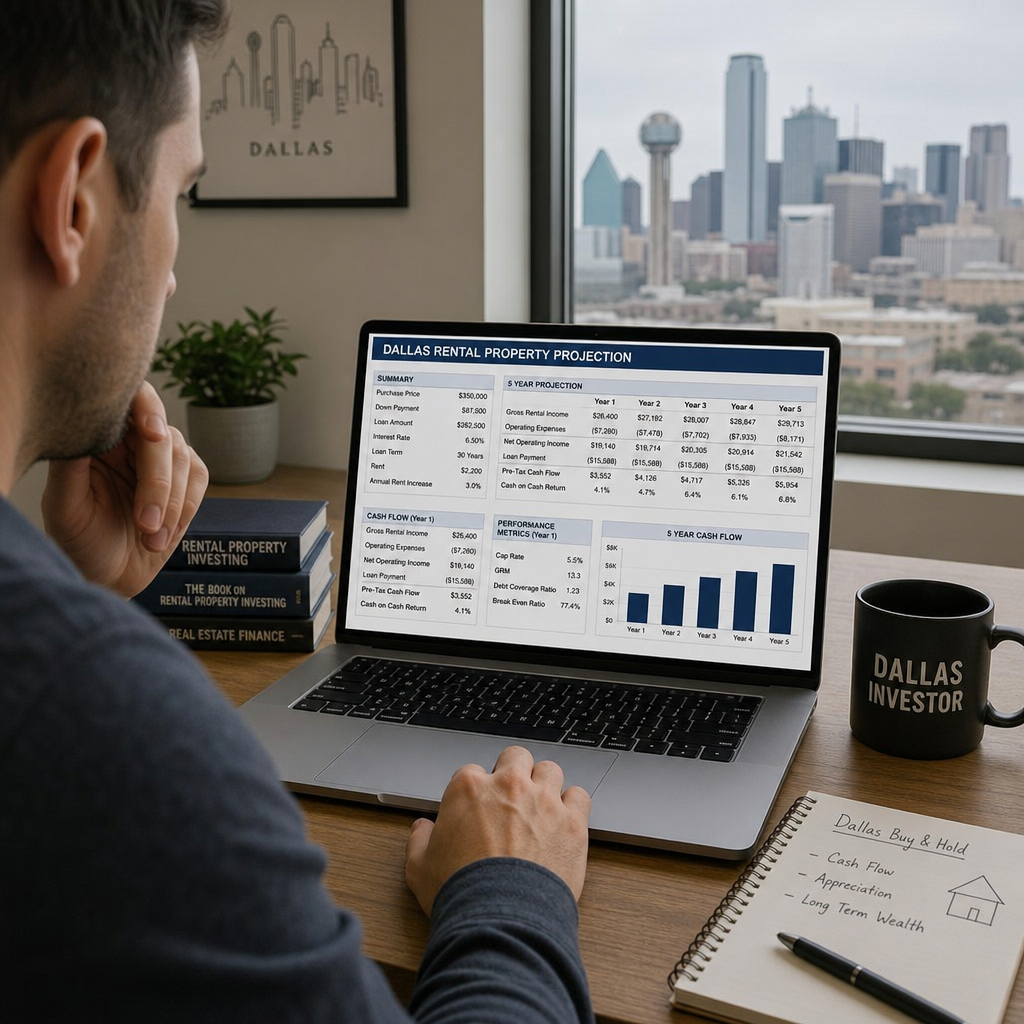
Real estate investing Dallas opportunities often look better in a spreadsheet than they do after the first turnover, first plumbing call, or first vacancy. Your underwriting should include the costs that new buyers often miss.
A conservative rental analysis should include:
A cap rate can help compare properties, but it does not tell the whole story. Financing structure, tax position, renovation risk, and appreciation potential all affect returns. For small investors, cash-on-cash return is often more useful because it measures annual pre-tax cash flow against actual cash invested.
A rental property is only as strong as the resident selection process behind it. Poor tenant screening can turn an apparently profitable asset into a costly legal and money drain.
Screening should be written, consistent, and compliant. Review income, credit, rental history, eviction history where legally available, criminal background within fair housing limits, employment stability, identification, and references. Federal agencies have stressed that tenant screening involves fair housing and consumer reporting laws, so landlords should avoid arbitrary criteria, uneven enforcement, or screening steps that create unlawful bias risk. (justice.gov)
Good management also requires a lease that is enforced professionally. Rent collection, late notices, maintenance access, pet rules, yard care, utilities, deposits, and move-out standards should be clear from day one. Under Texas guidance, landlords have repair duties for conditions that materially affect the physical health or safety of an ordinary tenant, and security deposits are separate from rent. These rules make documentation and prompt maintenance response vital. (sll.texas.gov)
New landlords often see maintenance as a hassle instead of a core part of the business. That is a costly mistake. Maintenance protects rentability, preserves asset value, reduces tenant dissatisfaction, and limits emergency expenses.
Build a maintenance calendar before the first tenant moves in. Service HVAC systems, check smoke and carbon monoxide detection where needed, inspect plumbing shutoffs, confirm weather sealing, clean gutters where relevant, test appliances, and document property condition with photos. A clean turnover file is one of the most valuable records a landlord can keep.
For Dallas rentals, pay special attention to HVAC performance, drainage, foundation movement signs, pest control, and exterior wear. Heat, soil conditions, storms, and age can all affect operating costs. A property that is cheap to buy but costly to stabilize can burn through years of cash flow.
Investing in real estate in Dallas can be financed through conventional investor loans, portfolio lending, private capital, partnerships, or cash purchases. The right structure depends on your reserves, risk tolerance, acquisition timeline, and planned holding period.
Do not stretch so far for the down payment that you lack reserves after closing. A landlord without liquidity is exposed to every vacancy and repair. If you use partners, define decision rights, capital duties, profit splits, exit rights, and dispute steps in writing before you buy. Informal deals often fail exactly when the property needs fast action.
Interest rates, lender rules, insurance premiums, and property taxes change the investment math. Northmarq's Dallas multifamily commentary noted that elevated and volatile interest rates affected the market, while better borrowing conditions could support future investment activity. For small investors, the lesson is the same: financing conditions must be built into offer price and reserve planning, not treated as an afterthought. (northmarq.com)
If you want a measured path into Dallas property investment, move in stages rather than racing to buy the first decent-looking property.
This sequence is less exciting than impulse buying, but it is how professional investors stay solvent. In Texas real estate, patience is not passivity; it is risk control.
Self-sufficiency is valuable, and every investor should understand the basics of leasing, maintenance, compliance, and cash-flow analysis. Still, there is a clear difference between being informed and being unsupported. A good property management company can help price the rental, screen residents, coordinate maintenance, enforce lease terms, document condition, and reduce operational mistakes.
For new landlords, professional guidance is especially useful before acquisition. A property manager can often spot leasing problems that are not obvious in a showing: awkward floor plans, weak parking, poor tenant fit, hard maintenance access, unrealistic rent assumptions, or neighborhood demand concerns. Those points can improve acquisition choices.
Call (214) 305-9166 for a free consultation. If you are reviewing Dallas investment properties or preparing to lease your first rental, speak with a professional before you commit capital. Visit our website https://nmcpropertymanagement.com/ to learn more about property management support and next steps.
Investing in Dallas real estate is most prudent when you treat it as a disciplined operating business rather than a speculative buy. The market offers opportunity, but success depends on conservative underwriting, neighborhood insight, lawful tenant screening, responsive maintenance, adequate reserves, and a management structure that protects both income and asset condition.
For a first purchase, favor clarity over complexity. Buy a property whose rent demand you can verify, whose repairs you can afford, and whose management demands you can handle well. That is the base of durable Dallas real estate investing.
Partnering with an experienced team can help you navigate the North Texas market with confidence and avoid common beginner pitfalls. At Navigate Property Management, we bring years of local DFW expertise to help maximize your investment and minimize the stress of leasing, maintenance, and resident support. Whether you are ready to make your first acquisition or looking to optimize an existing rental portfolio, we are here to provide the professional guidance and boots-on-the-ground support you need to succeed.
1 min read
Maximize Rental Income DFW To maximize rental income in DFW, treat the home like a business asset, not a passive listing. Pricing, presentation,...
1 min read
Plano Property Management and Related Services Plano property management is the practical discipline of turning a rental house, townhome, condo, or...

1 min read
The North Texas Real Estate Market in 2026 has officially transitioned from the frantic growth of previous years into a sophisticated period of...