

1 min read
Maximize Rental Income DFW: Strategies & Insights
Maximize Rental Income DFW To maximize rental income in DFW, treat the home like a business asset, not a passive listing. Pricing, presentation,...
9 min read
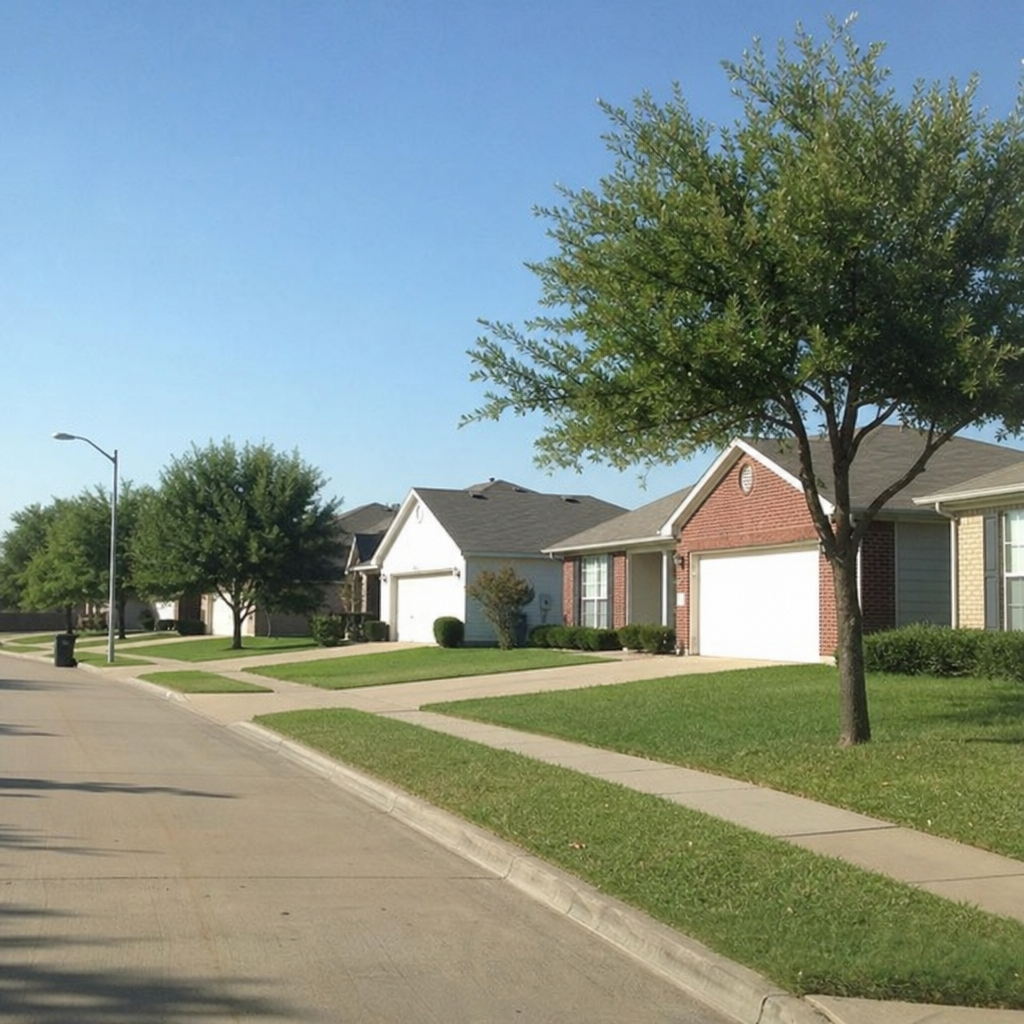
Plano property management is the practical discipline of turning a rental house, townhome, condo, or small multi-unit asset into a legally compliant, financially coherent, and tenant-ready investment. For landlords comparing property management services in Plano, Plano rental management is about disciplined execution across leasing, maintenance, accounting, risk control, and portfolio strategy. Plano remains a serious market for rental ownership because it combines a substantial professional population, strong household income, established neighborhoods, and access to the broader Dallas--Fort Worth economy. (census.gov)
A Plano property management company handles the day-to-day work between ownership and steady income: pricing the rental, marketing it, screening tenants, preparing lease documents, collecting rent, coordinating repairs, inspecting the property, communicating with residents, and enforcing leases when needed. Good real estate management is not passive administration; it is a repeatable control system that protects the property while preserving the tenant relationship. In my experience, new landlords understate the number of decisions built into one lease cycle, especially when a late payment, air-conditioning failure, pet damage dispute, or renewal negotiation arrives without warning.
At its best, Plano property management gives an owner three forms of leverage. First, it creates time leverage by moving daily interruptions to a structured operating team. Second, it creates information leverage through market rent analysis, vendor pricing, maintenance histories, inspection reports, and owner statements. Third, it creates procedural leverage by making hard issues less emotional and more documentable.
Typical services include:
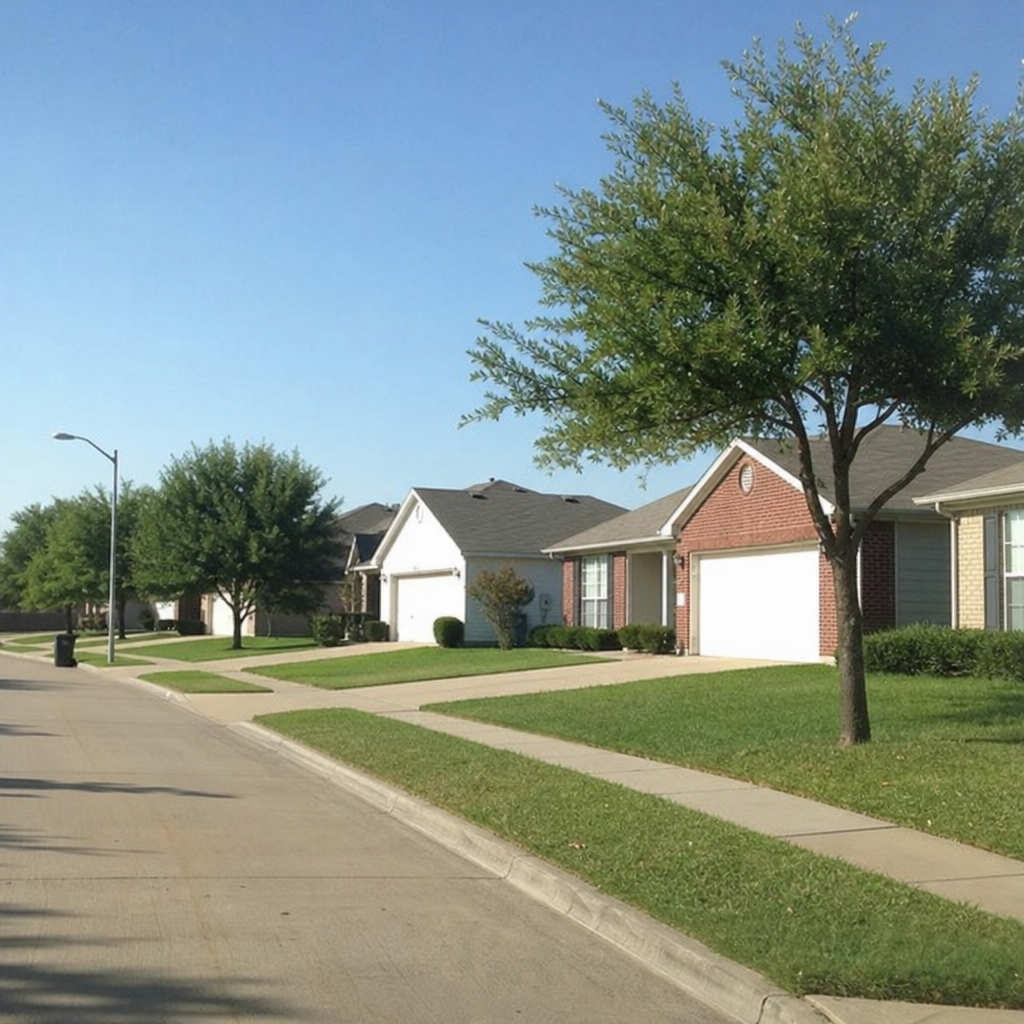
Plano real estate should be evaluated as a mature suburban market rather than a speculative frontier. The U.S. Census Bureau estimated Plano's population at 293,028 as of July 1, 2025, with a 2020--2024 median household income of $112,253, a bachelor's-degree-or-higher rate of 60.5% among residents age 25 and older, and median gross rent of $1,841. The same Census profile reports a 56.9% owner-occupied housing rate, which implies a meaningful renter base without making Plano a transient-only market. (census.gov)
Those fundamentals matter because rental performance depends on the quality and stability of demand. A market with educated residents, strong household incomes, and proximity to employers can support tenants renting by choice, relocation timing, career mobility, school preference, or household-transition needs. That does not eliminate vacancy risk or overpricing risk. It does, however, give landlords a more rational basis for long-term planning than relying on a single year of appreciation.
Plano's economic base also deserves attention. Plano Economic Development identifies major industry clusters including regional headquarters, financial services, electronics, telecom, software and information technology, medical and health, professional and business services, and manufacturing. The city's large-employer environment, including regional offices for firms such as Intuit, Bank of America, and Ericsson, supports a tenant pool connected to corporate relocation, professional employment, and commuter convenience. (planotexas.org)
Transportation is another practical variable. Plano's comprehensive plan notes that the city joined DART in 1986 and receives bus transportation, demand-response services, light rail, and expanding commuter rail through the Silver Line. For rental owners, transit and roadway access should not be treated as decorative amenities; they influence showing traffic, tenant commute tolerance, and long-term location preference. (planocompplan.org)
Many owners ask what property management costs, but the sharper question is what poor management costs. A low monthly fee can become expensive if the manager underprices the rent, approves weak applicants, delays make-ready work, ignores preventive maintenance, or communicates poorly during disputes. Conversely, a higher-fee manager may still be a poor choice if the contract obscures leasing charges, renewal charges, maintenance markups, cancellation terms, inspection fees, or eviction coordination costs.
When I review a management agreement, I look beyond the headline percentage and evaluate the entire financial structure. A competent owner should understand how the manager gets paid, when the manager gets paid, what services are included, and what situations trigger extra charges. This is not hostile; it is simply prudent. A professional manager should be willing to explain the agreement in plain language.
Before signing, ask for clarity on:
Tenant screening is not a clerical task; it is one of the most consequential underwriting decisions in residential real estate. A strong applicant can preserve cash flow, care for the property, communicate responsibly, and renew at a fair rate. A weak approval can consume months of income through vacancy, legal expense, repairs, concessions, and management time.
A professional screening process must be consistent, documented, and applied without discrimination. The goal is not to find a perfect tenant, because such a person does not exist. The goal is to measure risk with lawful, relevant, and evenly applied criteria. Income alone is not enough. Credit history, rent-payment behavior, debt, identity checks, occupancy plans, pet disclosures, prior landlord references, and application completeness all matter.
For a new landlord, the most common mistake is substituting instinct for criteria. A pleasant showing conversation does not replace proof of income. A high salary does not cure a pattern of prior lease defaults. A rushed approval because the property has been vacant for two weeks can create a larger loss than waiting for a better-qualified applicant.
A practical screening framework should include:
Maintenance should be handled through documented triage, prompt response to habitability concerns, cost-conscious vendor management, and preventive attention to the systems most likely to disrupt tenancy. In North Texas, heating and cooling, plumbing, drainage, roofing, fencing, irrigation, and appliance reliability frequently influence tenant satisfaction and owner expense. The best maintenance programs distinguish emergencies from hassles, but they never allow legitimate health or safety issues to drift.
Texas law gives this topic real weight. Chapter 92 of the Texas Property Code addresses residential tenancies, including landlord obligations and tenant remedies for certain repair conditions. The statute focuses on conditions that directly affect the physical health or safety of an ordinary tenant, and it specifies notice and timing procedures that can become important if a dispute escalates. (tcss.legis.texas.gov)
This is where professional real estate management earns trust. The manager should not treat every repair request as a tenant complaint to be minimized, nor every tenant report as a blank check. The right posture is investigative, documented, and economically rational: determine what is happening, decide whether the lease or law requires action, choose the correct vendor, communicate timing, and retain evidence of completion.
For Plano landlords, I recommend a maintenance operating standard that includes:

A lease is not merely a form; it is the operating constitution for the tenancy. It should define rent, late fees, utilities, lawn care, pets, smoking, guests, repairs, entry rights, renewal terms, notice requirements, and default remedies. Yet even a well-drafted lease can fail if the landlord administers it unevenly.
Security deposits are an obvious example. Texas Property Code Section 92.103 generally requires a landlord to refund a residential security deposit on or before the 30th day after the tenant surrenders the premises, subject to statutory exceptions, and Section 92.104 addresses deductions and itemized descriptions. Understanding Texas renters rights and tenant laws makes move-in condition reports, move-out inspection photos, invoices, and normal-wear analysis key. (tcss.legis.texas.gov)
Eviction is another area where guesswork is dangerous. Texas Property Code Section 24.005 generally requires written notice to vacate before filing certain eviction suits, with timing affected by the lease and statutory rules. A property manager should understand the sequence, use proper notices, avoid unlawful self-help, and coordinate with counsel or the proper court process when the situation requires it. (tcss.legis.texas.gov)
Compliance also includes fair-housing consistency. Owners often create risk by making casual exceptions: approving one applicant with incomplete documentation, rejecting another for vague reasons, allowing one pet while denying a similar animal elsewhere, or enforcing late fees selectively. Professional systems reduce those errors. They do not make management impersonal; they make it defensible.
The most profitable landlords I have worked with rarely look frantic. They decide in advance how the asset should perform, how much cash it needs, what repairs deserve capital spending, and when a tenant renewal is better than a rent increase that risks vacancy. They know that monthly rent is only one line in the return calculation.
Plano investors should model cash flow with conservative expense assumptions. Property taxes, insurance, HOA dues, repairs, leasing costs, vacancy, capital replacements, and management fees all belong in the pro forma. If the deal works only when nothing breaks and the tenant never leaves, the deal does not work. Mature markets can reward patient ownership, but they punish owners who ignore operating costs.
Use these decision criteria when assessing a Plano rental:
Self-management can work when the owner is local, organized, emotionally disciplined, legally attentive, and willing to answer the phone at inconvenient times. I encourage capable owners to learn the business rather than blindly outsource every decision. An educated owner is a better client, negotiator, and investor.
However, self-management fails when an owner treats a rental like a side task rather than an operating business. The danger is not one missed phone call; it is the pile-up of small errors. Late notices are sent unevenly. Repair requests are handled verbally. Rent increases are delayed because the conversation is uncomfortable. Deposits are deducted without sufficient documentation. Applicants are approved because the owner wants the vacancy to end.
Professional management is more compelling when:
A polished website is helpful, but it is not a management system. When interviewing a Plano property management firm, ask operational questions and listen for specifics. A seasoned manager can explain how rent is priced, how maintenance is approved, how delinquencies are handled, how often owners receive statements, and how lease renewals are evaluated. Vague assurances are not enough.
Request sample owner statements, sample inspection reports, management-agreement terms, fee schedules, maintenance policies, leasing criteria, and a clear list of rental property services. Ask who answers tenant calls, who approves applicants, who reviews invoices, and how escalated disputes are handled. You are not merely hiring a company; you are installing a decision-making process around a valuable asset.
The best relationship is transparent but not chaotic. Owners should receive timely information without having to supervise every small task. Managers should have enough authority to operate efficiently but enough accountability to remain aligned with the owner's investment objectives.
Plano can be an attractive rental market, but the opportunity is operational rather than automatic. Strong demographics, employment access, transit connections, and established residential neighborhoods provide a favorable context; disciplined management converts that context into durable performance. (census.gov)
Whether you self-manage or hire a professional, treat the property as a business. Use written criteria, document condition carefully, respond to repairs wisely, understand Texas landlord-tenant rules, and evaluate every decision through the combined lens of cash flow, risk, and asset preservation. That is the difference between merely owning a rental and managing real estate with professional competence.
Navigating these operational demands requires local expertise, structured systems, and a commitment to protecting your valuable asset. At Navigate Property Management, we provide the procedural discipline, market insights, and hands-on support needed to turn complex landlord responsibilities into a seamless, high-performing investment. Whether you are seeking a complete management solution or simply want to explore your options, we are here to help you guide your real estate journey with confidence.
Ready to maximize your rental investment while minimizing daily stress? Connect with our team today:

1 min read
Maximize Rental Income DFW To maximize rental income in DFW, treat the home like a business asset, not a passive listing. Pricing, presentation,...

1 min read
The North Texas Real Estate Market in 2026 has officially transitioned from the frantic growth of previous years into a sophisticated period of...

1 min read
Property Management Meaning: A Simple Guide Property management meaning is simple: it is the day-to-day work of caring for a rental home for the...