
Property Management in Frisco, Texas | Navigate Property Management-NTX
Maximize your North Texas real estate investments. Partner with the best rental property manager in Frisco for elite single-family home property...
5 min read
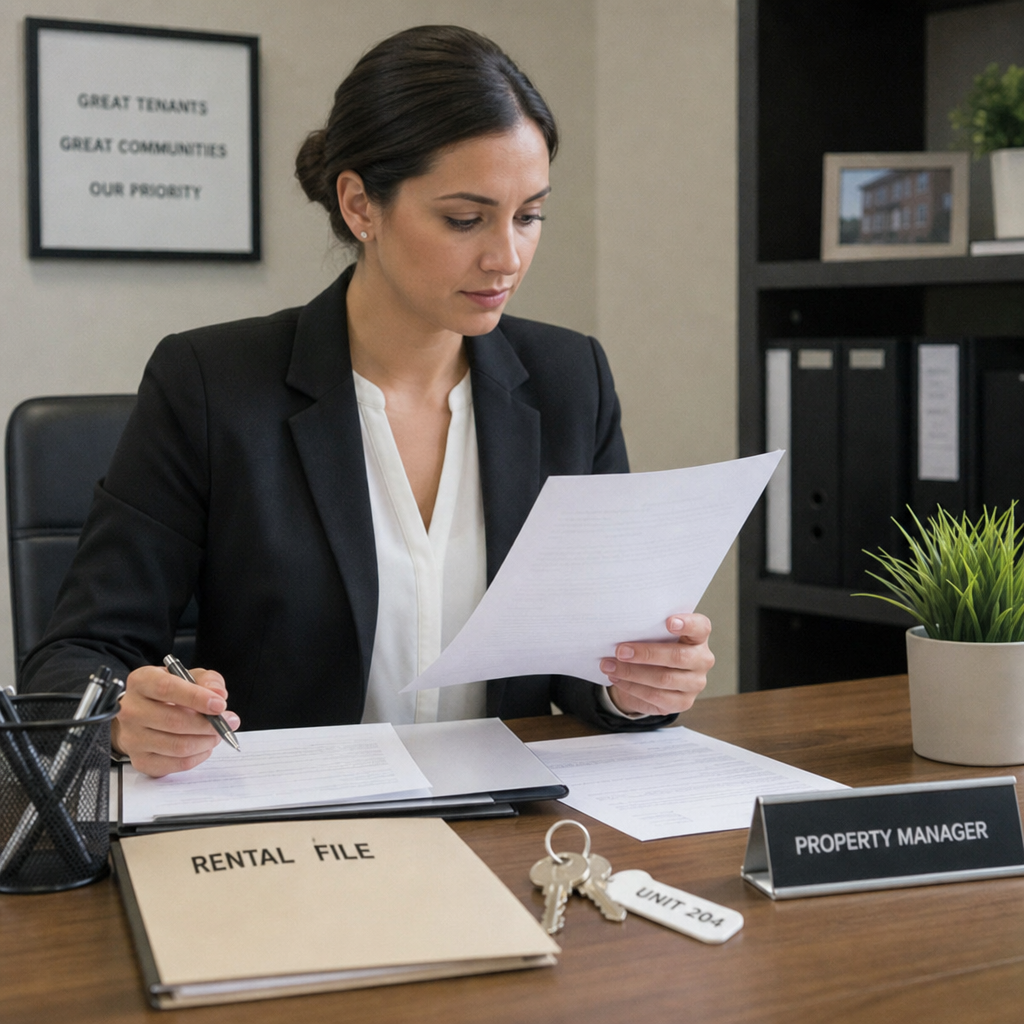
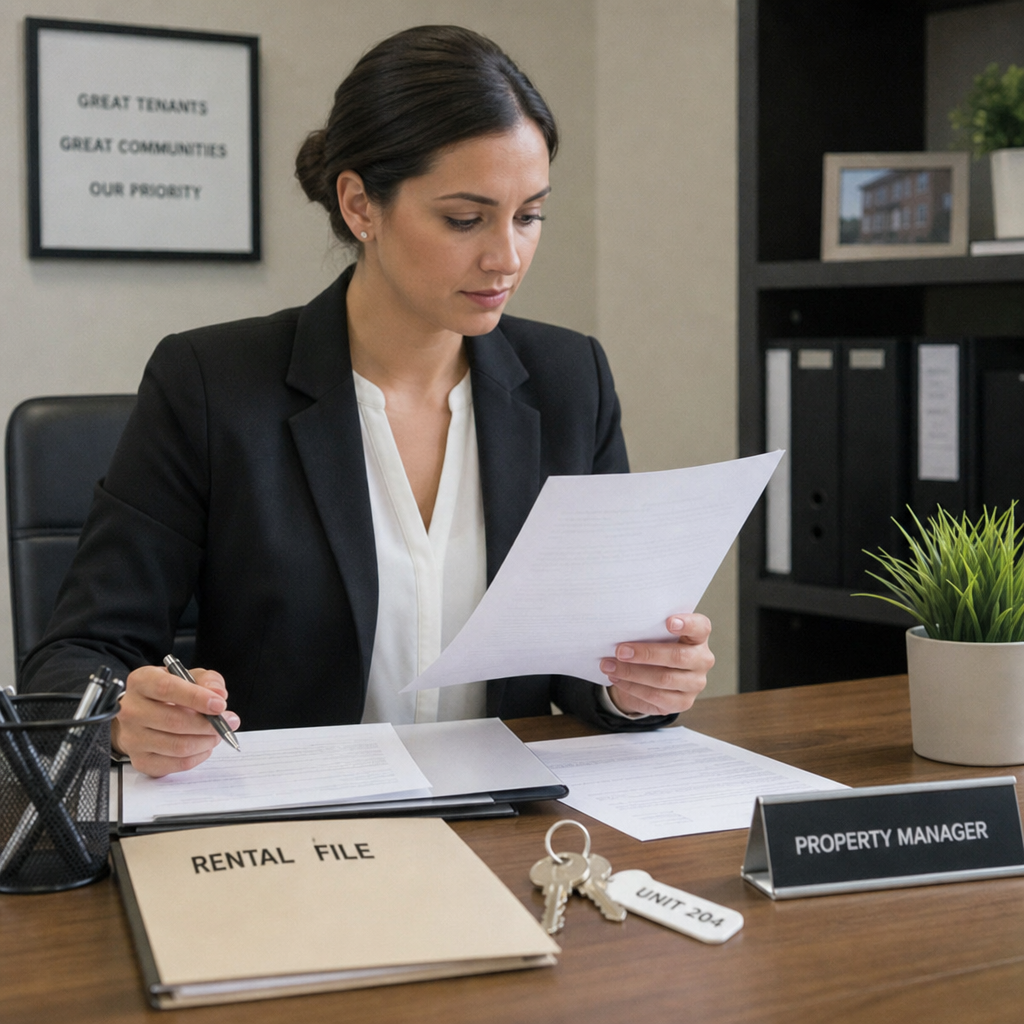
Managing the property is not just collecting rent—it is running a small business. Customer service, compliance, maintenance, and money all matter.
Set Your Property Management Foundation (Goals, Roles, Systems)
Whether you are managing rental properties yourself or building a team, success starts with clarity:
A practical guide to property management begins with a straightforward operating model that includes a consistent process, measurable metrics, and documented decisions. Explore key property management ROI strategies to maximize your returns.
These are core property management techniques that stop small issues from becoming costly problems.
If you are asking how to manage a rental property well, look at:
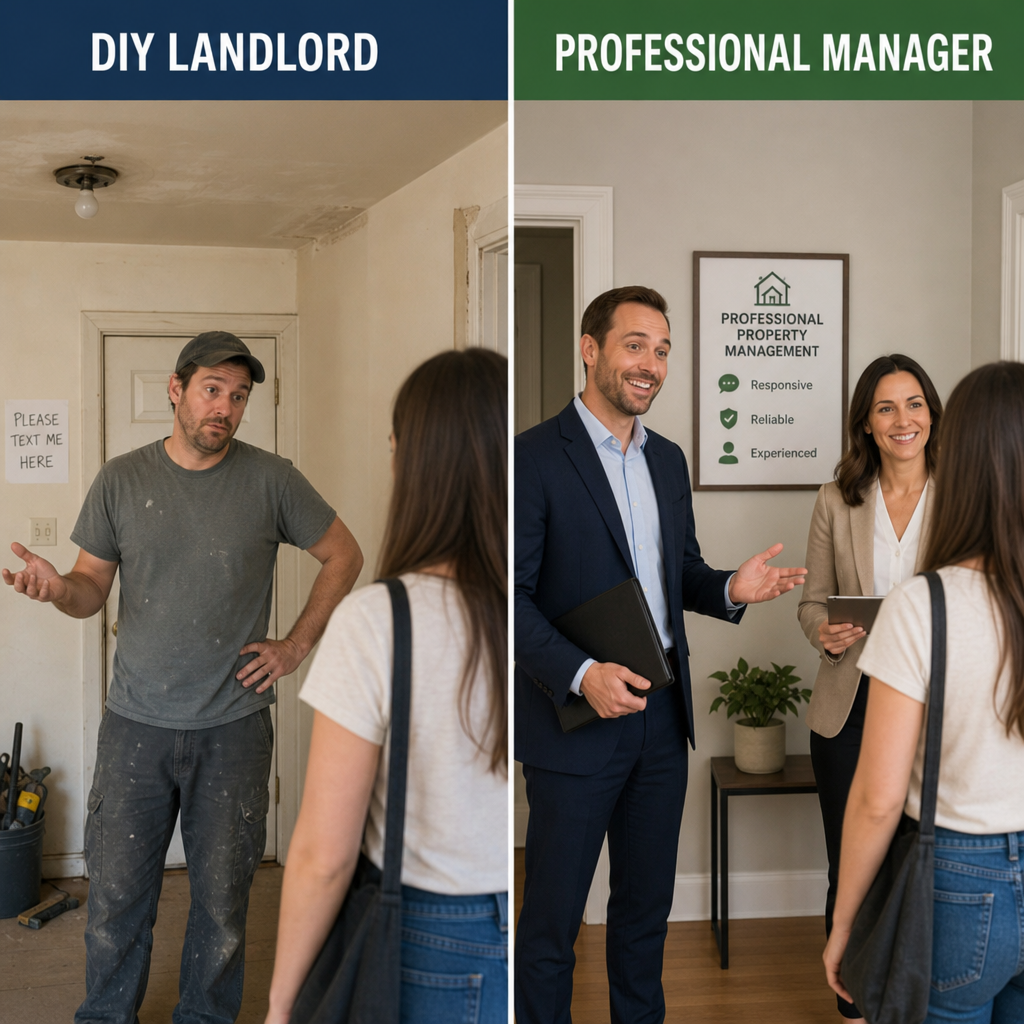
DIY can work, but it often fails when owners do not have a reliable rent collection process, a preventive maintenance schedule for rentals, or steady tenant follow-up.
Leasing Done Right: Tenant Screening, Marketing, and Vacancy Control
Strong leasing is the fastest path to fewer headaches. Follow a system to lease property faster to keep open units to a minimum.
The way you manage your leasing pipeline influences your cash flow, impacts your property's condition, and can lead to disputes.
To use proven vacancy-reduction strategies, focus on:
These property management strategies cut downtime and protect your reputation with applicants.
Tenant screening best practices should be steady, written, and compliant. You should also take steps to prevent application identity fraud during the process. Typical screening elements include:
Consistency is a core part of property management best practices.
Instead of relying on instinct to make decisions, apply a consistent set of criteria each time, perform tenant verification checks to safeguard against fraud, and keep a record of the results.
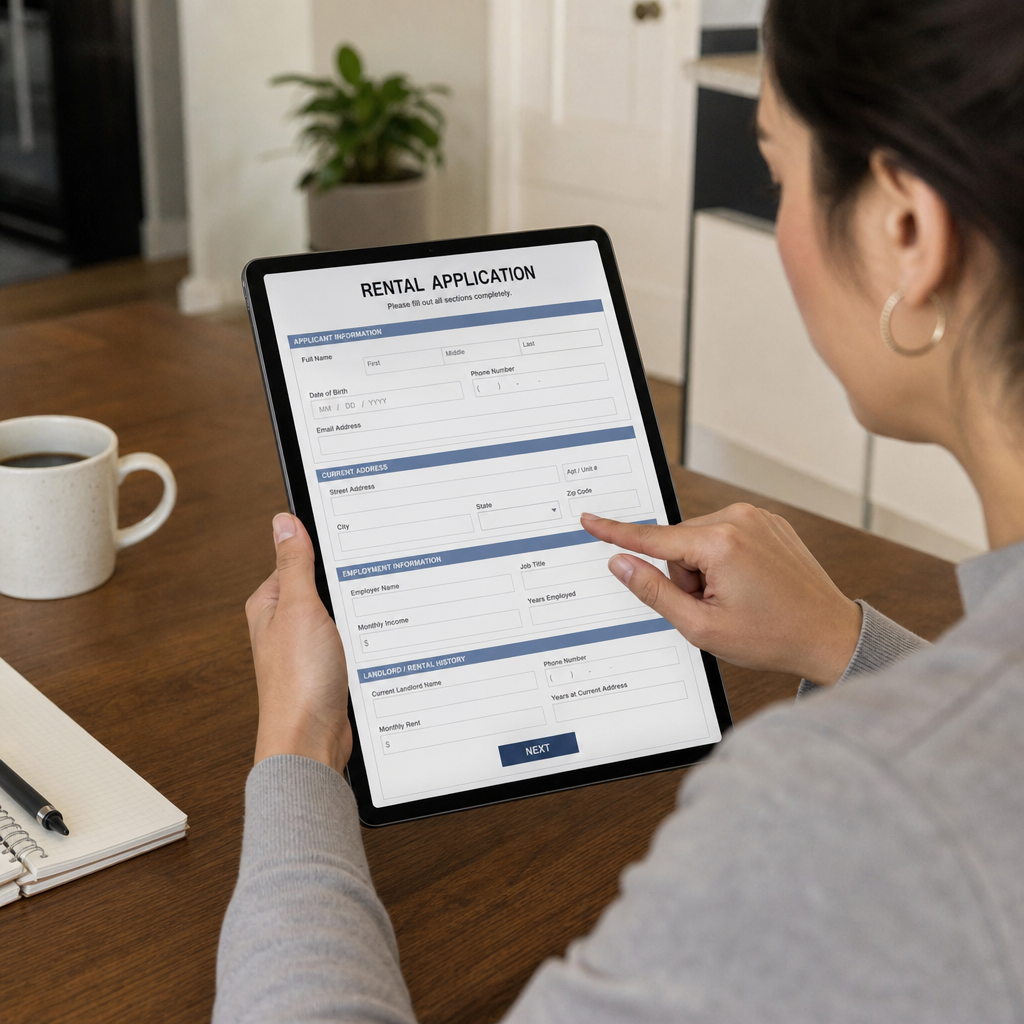
A lease is more than a template—it is your rulebook. Strong lease agreement essentials typically include:
Clear language cuts conflict and supports steady enforcement—key property management tips for long-term stability.
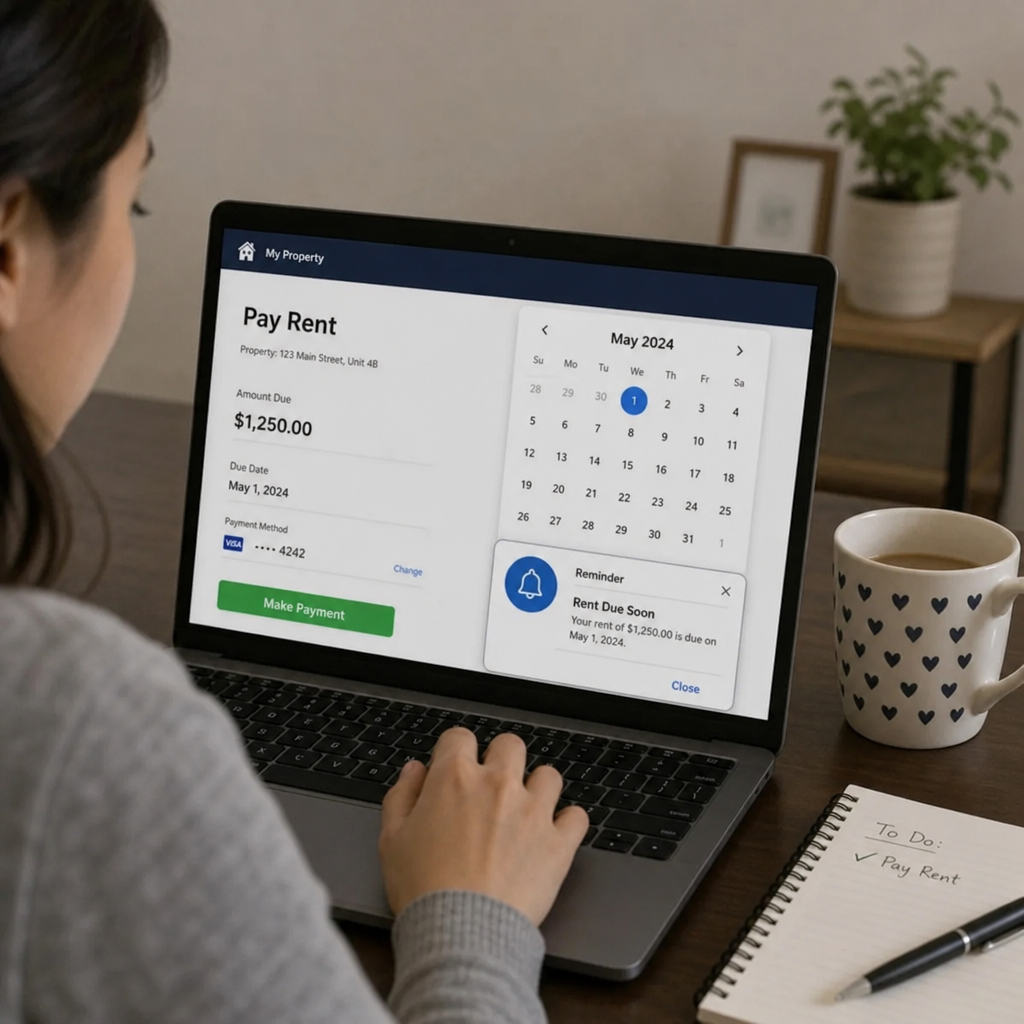
Build a Reliable Rent Collection Process and Enforce ItA consistent rent collection process serves as the foundation of managing rental properties.
Best-in-class workflows include:
The key is consistency. Uneven enforcement trains tenants to pay late.
A routine maintenance schedule for rental properties helps preserve their value and ensures residents are content.
The best property management advice is to treat maintenance like a planned program, not a surprise cost.
Budgeting for property repairs is easier when you separate:
A simple best practice: set aside a reserve each month so repairs do not disrupt cash flow. This is core to long-term rental property management success.
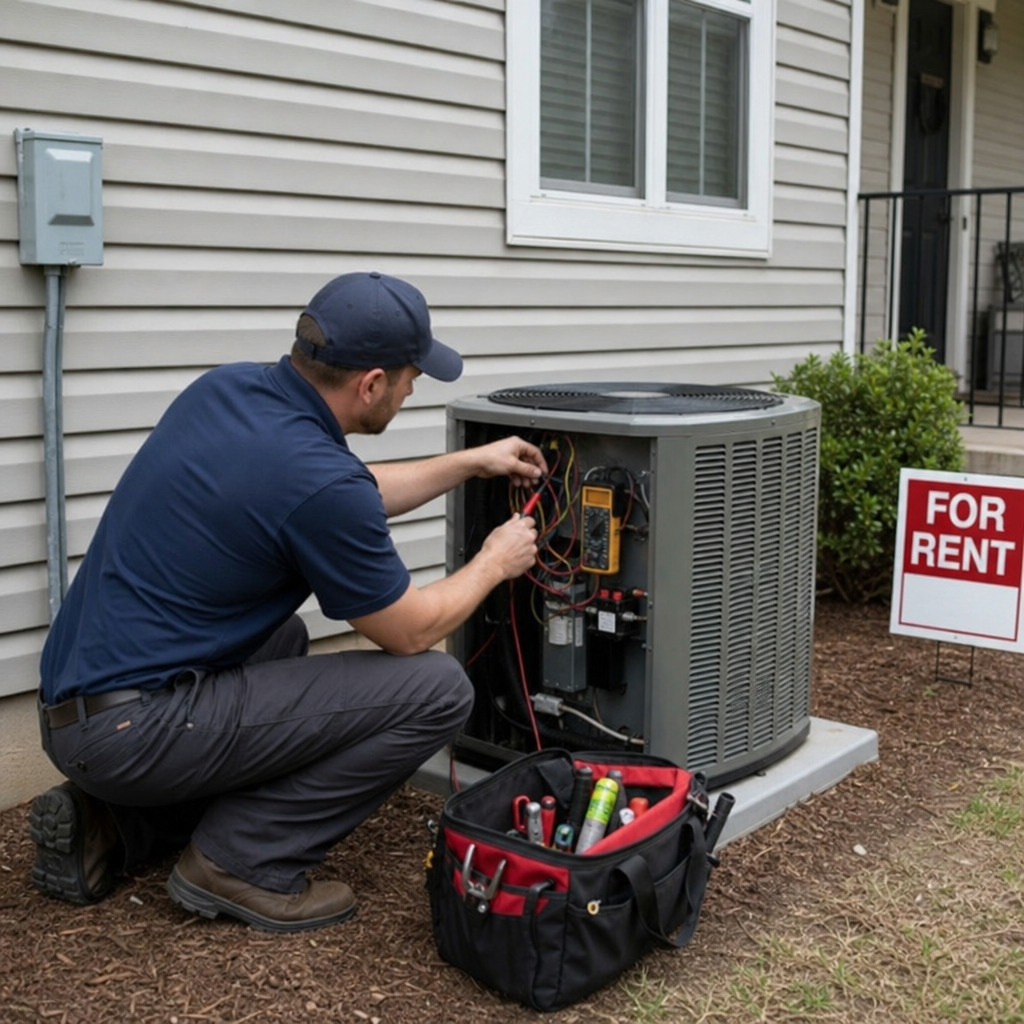
Timely and proper inspections help safeguard both the property and the tenant relationship.
Use a standard property inspection checklist at:
This is one of the most useful property management tips because documentation cuts disputes over deposits and damage.
Handling Tenant Complaints: Scripts, Response Times, and BoundariesStrong communication abilities are key to achieving success in property management.
Handling tenant complaints well means:
This is practical, day-to-day property management advice that improves retention and cuts escalation.
Landlord Responsibilities Checklist: Stay Compliant and OrganizedEvery market has rules, and compliance must be part of your system. A working landlord responsibilities checklist may include:
To seriously comply with landlord-tenant laws, it's important to have written policies, keep records, and avoid relying solely on verbal agreements.
Eviction Process Step by Step: Act Early, Follow the RulesEvictions are expensive and stressful, but delay usually makes them worse. Learn how to handle issues effectively with a guide on protecting your rental investments during eviction. While exact steps vary by location, an eviction process step-by-step approach often looks like:
Your job in managing rental properties is to avoid eviction when possible through strong screening and steady enforcement—but when it is needed, do it by the book.
Property Management Software Comparison: What to Look ForTools should cut manual work and improve compliance. A practical property management software comparison should consider:
Software will not replace good systems, but it amplifies solid property management techniques and keeps communication organized.
Build Your Best Practices Playbook (What High-Performing Owners Do)The most consistent property management best practices are simple:
These property management strategies make rental property management predictable, scalable, and less stressful.
Successfully managing property relies on several key systems: thorough tenant screening, solid lease agreements, consistent rent collection, regular maintenance, clear communication, and adherence to regulations. Review our rental market guide for investor shifts to stay competitive.
If you want custom help choosing the right approach—hire a property manager vs DIY
Call for a free consultation: (214) 305-9166
Visit the official site: https://nmcpropertymanagement.com/
Explore video guides: https://www.youtube.com/@NorthTexasPropertyManagement/

Maximize your North Texas real estate investments. Partner with the best rental property manager in Frisco for elite single-family home property...
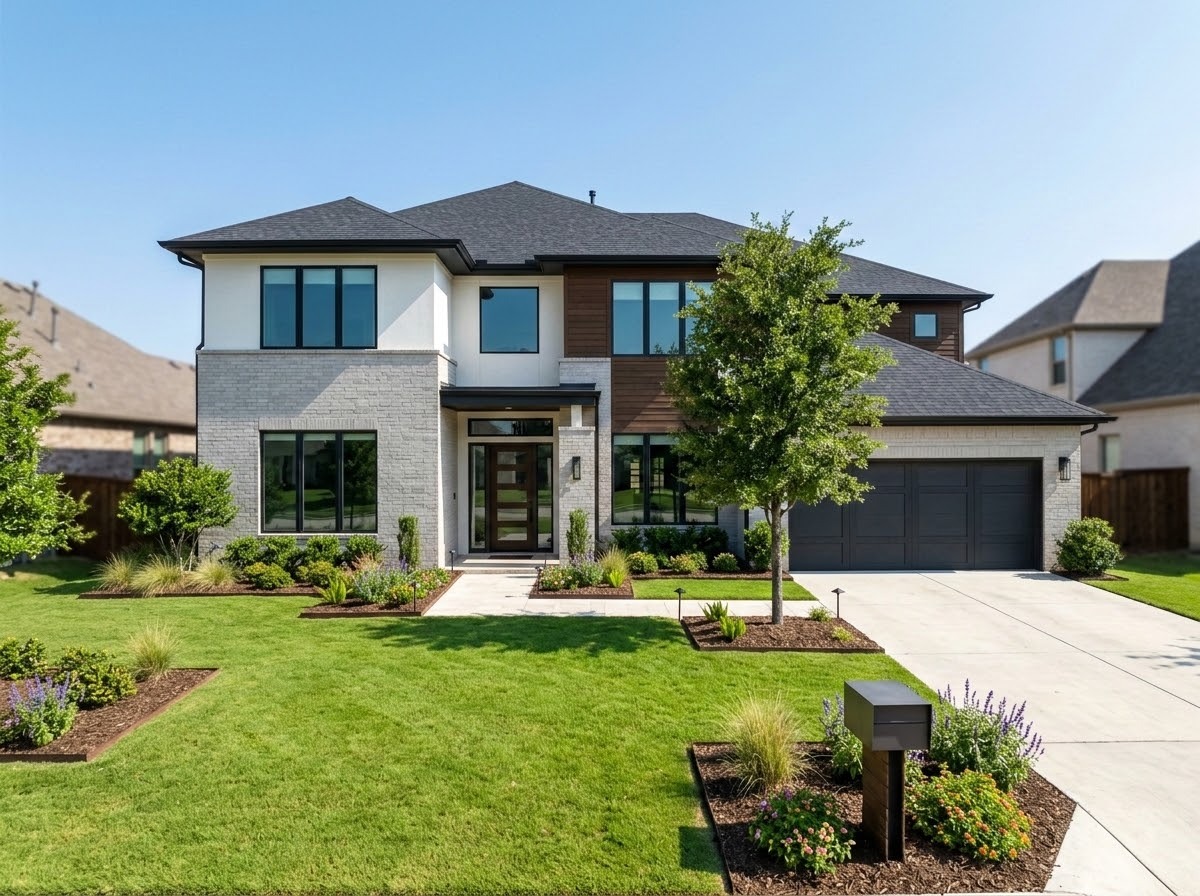
Maximize rental income in DFW with smart pricing, property improvements, and tenant strategies. Explore DFW property management for optimal results.

Discover how to start investing in Dallas real estate with expert tips on market literacy, disciplined underwriting, and property management planning.