

2026 Texas Housing Market: Key Trends & Insights
Explore the latest Texas housing market trends you should know. Understand real estate prices, inventory, and forecasts for Austin, Dallas, and more.
6 min read


As of late 2026, the Dallas-Fort Worth (DFW) rental market is operating at two distinct speeds. Properties in high-supply corridors face heightened competition and tenant-friendly concessions, whereas established infill locations remain stable as new deliveries slow and regional demand catches up.
Effective DFW property management requires avoiding blanket, metro-wide rent adjustments. Instead, operators must tailor their strategies by asset class, submarket, lease timing, and tenant risk profile.
Navigating this environment successfully hinges on resident retention, targeted DFW concessions, submarket supply monitoring, strategic SFR/BTR positioning, and proactive preparation for the projected 2027 supply trough.
A two-speed market split means one segment of the metroplex requires a defensive stance, while another moves closer to operational balance.
In supply-heavy apartment submarkets, operators must rely on disciplined pricing, proactive renewal campaigns, and highly structured DFW concessions to protect overall occupancy.
Conversely, in stable single-family rental (SFR) submarkets and prime infill locations, property managers can shift focus toward resident retention, high-touch service, and sustainable, steady rent growth.
Recent rental market trends clearly illustrate this divergence:
Data from Matthews indicates DFW delivered 6,238 multifamily units in Q2 2026—a 24.4% decrease year-over-year. Total 12-month deliveries reached 27,748 units, down significantly from 42,309 units in 2024.
Cushman & Wakefield reported an average DFW apartment vacancy rate of 10.1% in Q1 2026. However, regional market reports (including IRR data) demonstrate that metro-wide averages mask severe hyper-local differences—ranging from positive rent growth in Central Dallas to rent declines in Northwest Denton County.
Relying on broad market averages creates significant strategic risk. An urban garden-style community in Dallas, a suburban lease-up in Collin County, a build-to-rent (BTR) neighborhood, and a scattered-site SFR portfolio each require tailored pricing, marketing, maintenance, and renewal execution.
Before adjusting rental rates, evaluate local DFW submarket supply. New deliveries generate the most pricing pressure when located within the immediate competitive radius, sharing similar floor plans, finishes, and target renter demographics.
The key analytical focus should not be total metro-wide construction, but rather the volume of comparable options a prospective tenant can actively tour within a specific submarket.
Prospective renters shopping across active submarkets (such as Frisco, McKinney, Allen, Denton, North Fort Worth, or Grand Prairie) often encounter aggressive lease-up concessions, including free rent, waived fees, and upgraded amenities. In contrast, tenants in supply-constrained infill neighborhoods face far fewer immediate alternatives.
To streamline strategy, segment properties into three distinct submarket categories:
This targeted submarket framework represents the core of effective DFW property management in 2026: price and manage against local property tours, not high-level metro statistics.
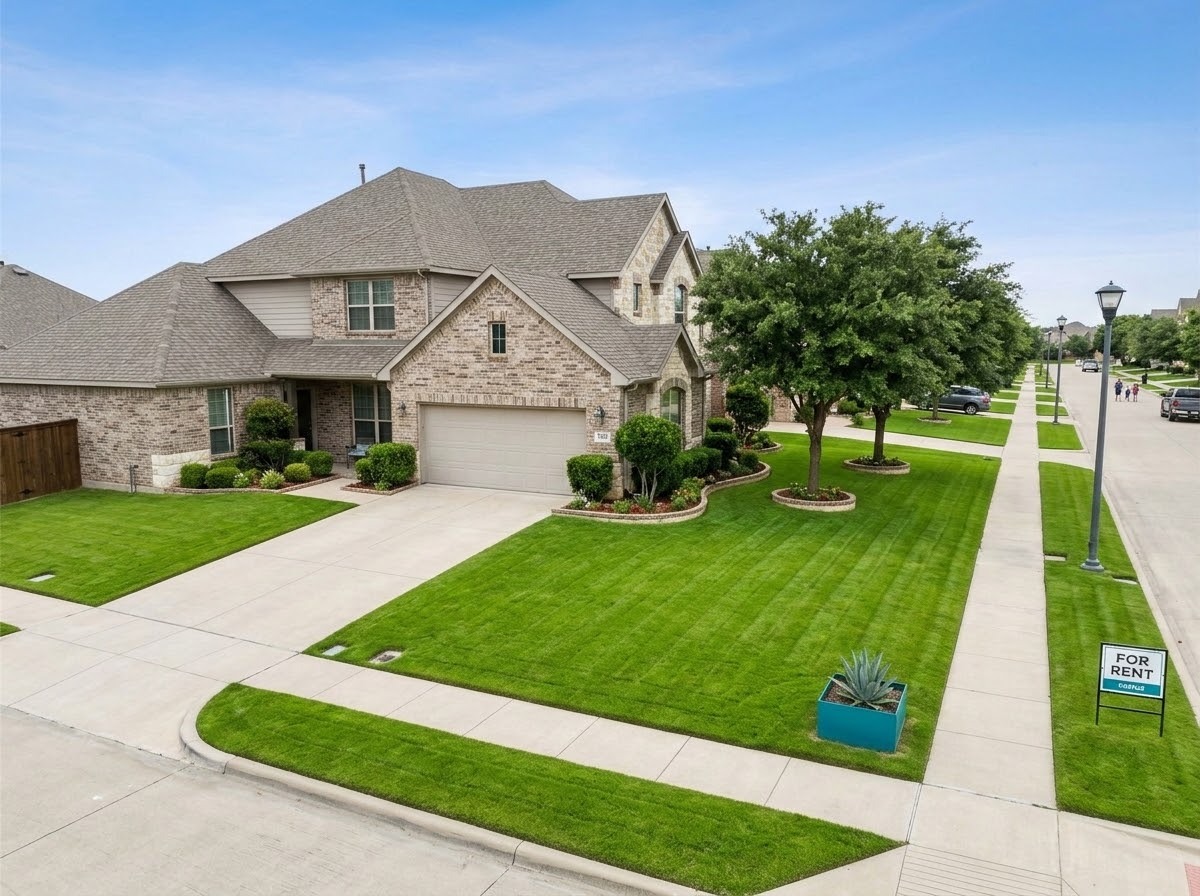
Managing elevated vacancy requires protecting baseline occupancy without establishing permanent market expectations for discounted rent.
While DFW concessions serve as effective leasing tools, they must target specific friction points—such as underperforming floor plans, initial lease-up phases, seasonal traffic dips, or direct competitor promotions. Applying blanket concessions across an entire asset erodes price clarity and complicates future renewal conversations.
Colliers highlights that Q2 2026 DFW apartment fundamentals showed improving demand, occupancy, and net absorption alongside slowing supply pipelines. While localized competition remains, property managers should avoid knee-jerk price cuts when tour traffic and conversion rates show steady upward momentum.
A structured concession framework should address four key questions:
When deployed strategically, DFW concessions minimize vacancy loss; when applied indiscriminately, they mask underlying pricing errors and diminish net operating income.
Property managers should maintain separate pricing strategies for new leases and renewals, as each operates under distinct market dynamics.
New leases compete directly against every active listing in the immediate submarket. Renewals, however, evaluate friction costs—including moving expenses, community familiarity, maintenance service history, and overall convenience.
For new leases, establish baseline rates using real-time market comps rather than historical asking rates. Evaluate active competitor listings, effective net rents, unit finishes, pet terms, parking options, school districts, and move-in timing.
For renewals, avoid standardized, portfolio-wide rate increases. Instead, tier renewal offers based on payment reliability, service history, lease term preference, unit type demand, and turnover cost exposure.
A reliable resident occupying a unique or higher-turnover floor plan warrants a modest increase or flexible renewal terms. Conversely, units experiencing high market demand can support firmer adjustments if supported by strong maintenance and operational service.
Implement a practical renewal matrix to guide site teams:
The objective is not to forego rate increases, but to apply them strategically where supported by resident goodwill and local market data.
Effective tenant retention strategies become critical when nearby competitors offer aggressive move-in specials. Residents often tolerate fair market adjustments but will readily move if maintenance is neglected or communication breaks down. Retention is fundamentally an operational priority before becoming a pricing decision.
Proactive retention begins long before sending a 60-day renewal notice. Property managers should monitor recurring maintenance tickets, open work order volume, communication response times, and facility feedback. Unresolved service issues significantly increase renewal friction.
Key operational levers to improve retention include:
In highly competitive submarkets, retaining an existing resident consistently yields higher net returns than marketing for a new lease by eliminating vacancy days, turn costs, and leasing commissions.
Performance drivers for single-family rentals (SFR) differ substantially from traditional apartments. SFR renters typically seek private yards, school district quality, pet accommodations, garages, and neighborhood living. While this fosters longer average tenure, operators still face competition from homebuilder incentives, new BTR communities, and private investor inventory.
The build-to-rent (BTR) segment remains a major factor across Dallas-Fort Worth. According to Point2Homes and Yardi Matrix, DFW features over 14,481 institutional BTR units across communities of 50+ homes, with developers adding more than 6,400 units through 2026. However, Northmarq projects supply pressure will stabilize significantly heading into late 2026 and 2027.
Property managers should avoid pricing detached single-family homes strictly off apartment market headlines. A three-bedroom single-family home in a top-rated school district performs differently than a nearby high-density apartment lease-up. Conversely, managed BTR communities compete directly with scattered-site SFRs through centralized amenities, professional management, and modern property finishes.
Key operational priorities for SFR and BTR property management teams include:
Single-family rentals command premium rates and long-term retention only when the resident experience matches property expectations.

Operating in a two-speed market demands consistent, granular review. While monthly reports keep owners informed, weekly operational discipline drives leasing velocity, occupancy, and net yield.
Incorporate this operational checklist into weekly team revenue meetings:
Following this checklist prevents reactive decision-making and translates broader DFW rental market 2026 data into actionable property management success.
While Dallas-Fort Worth remains a premier long-term growth market, navigating 2026 demands precise property-level execution. Although slowing delivery pipelines provide market tailwinds, property managers must look beyond broad metro averages, as localized vacancy and submarket supply variations dictate real performance.
The most successful strategy differentiates defensive assets from firming submarkets, applies concessions purposefully, prioritizes resident retention, and prices every lease against true local competitors.
By refining data tracking, strengthening resident relationships, structuring smart incentives, and optimizing SFR/BTR positioning in 2026, leading management teams will be fully prepared to capitalize on the upcoming 2027 supply trough.
In a two-speed market, precision execution is the ultimate advantage.
Schedule a Consultation: (214) 305-9166
Visit Our Website: https://nmcpropertymanagement.com/
Explore Video Guides: https://www.youtube.com/@NorthTexasPropertyManagement/
Explore the latest Texas housing market trends you should know. Understand real estate prices, inventory, and forecasts for Austin, Dallas, and more.

Discover strategies to navigate the North Texas real estate market in 2026, with a focus on operational efficiency and long-term asset management.

Maximize tenant longevity and ROI in the North Texas rental market with effective strategies, workflows, and expert property management solutions.